
Sustainability and efficient energy management are becoming an increasingly important part of corporate strategy. The results of a survey among representatives of companies from a range of sectors show that organisations no longer see ESG purely as a matter of regulatory compliance, but also as a tool for improving competitiveness, managing risk and optimising costs.
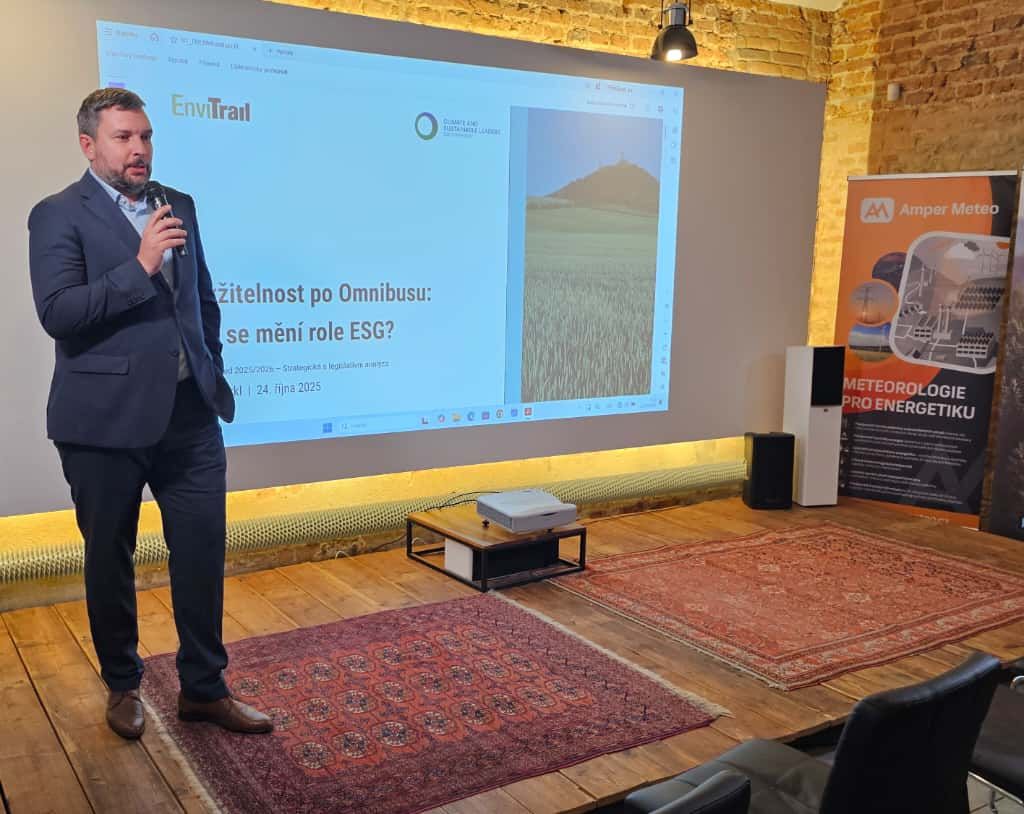
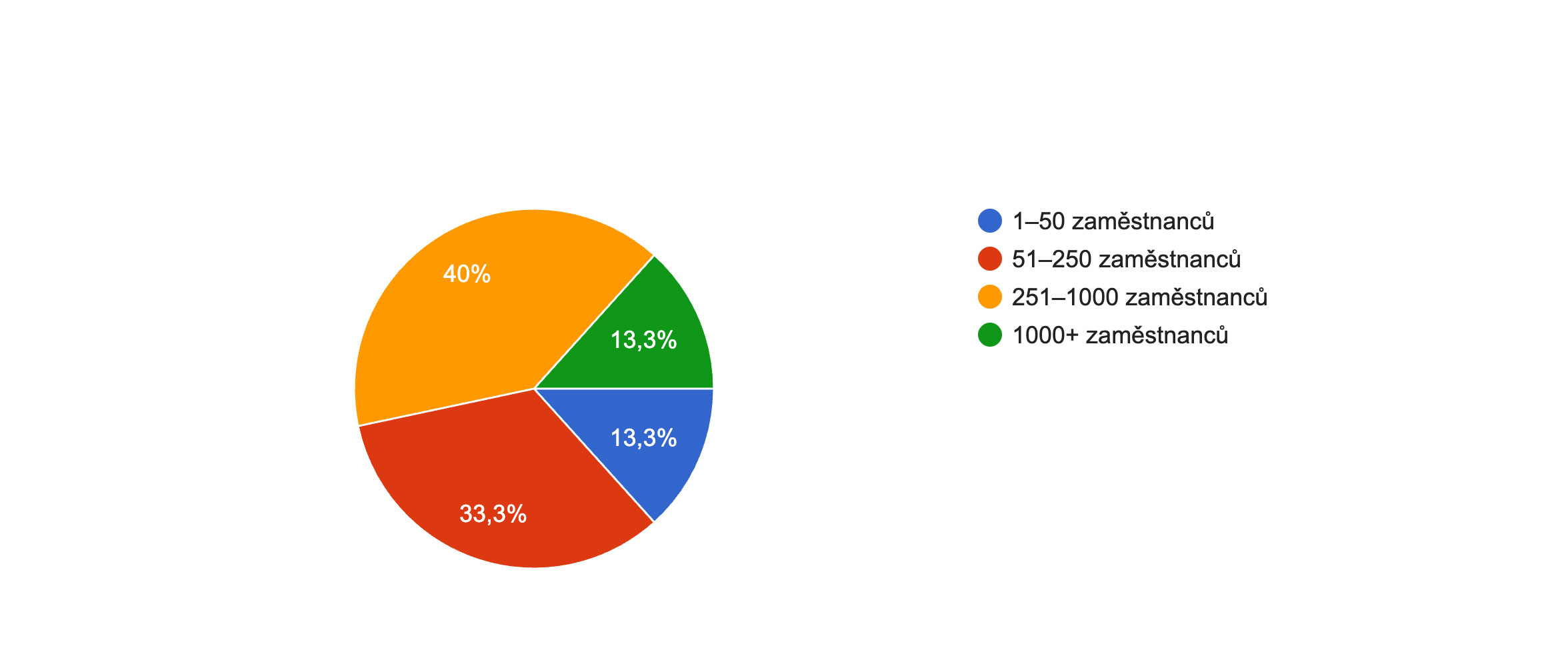
Dozens of companies across sectors took part in the survey, mainly from manufacturing, chemicals, transport, construction and services. The respondents included small, medium-sized and large companies, which gave an interesting picture of how companies currently approach sustainability and energy cost management.
ESG, carbon footprint and energy efficiency are among the top priorities
The most common topic is the ESG agenda, SDGs and CSR, which 80% of the companies surveyed are working on regardless of their size. Calculating and managing the corporate carbon footprint is also a very significant area (73.3%). More than half of the organisations focus on the circular economy and waste management (53.3%).
Almost half of the respondents are also working on:
- energy efficiency and energy savings (46.7%),
- the carbon footprint of their supply chain (46.7%),
- certifications such as EcoVadis (40%).
Less common topics, by contrast, are the water footprint and biodiversity, automation and the use of AI in ESG, and carbon offsets.
Sustainability is mostly handled by existing staff
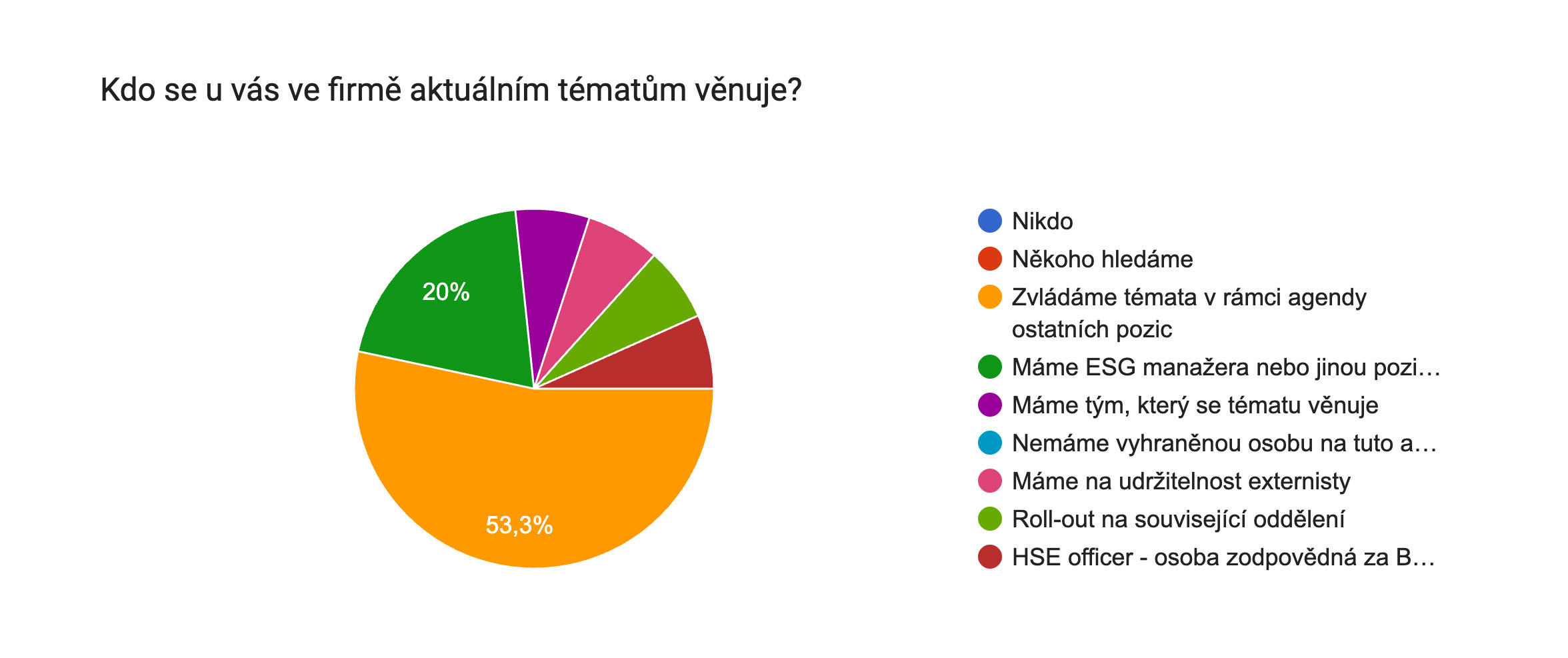
More than half of the companies cover the sustainability agenda within existing roles. A fifth of respondents (20%) have a dedicated ESG manager or specialist. A smaller share of organisations use external specialists or internal teams, or split responsibility between several departments.
The results suggest that many companies are still looking for a way to integrate ESG topics effectively into their organisational structure without building large specialist teams.
Data and capacity are the biggest obstacles
The most common problems companies face are a lack of internal capacity and the effort involved in collecting data (66.7%). Integrating sustainability into day-to-day operations (60%) and cooperation along the supply chain (53.3%) are also significant challenges.
Other frequently mentioned obstacles are:
- unclear legislation and market requirements (46.7%),
- a lack of good-quality data (40%),
- poorly defined responsibilities for the ESG agenda (40%),
- reluctance to invest in sustainable projects (40%),
- and a lack of expertise (33.3%).
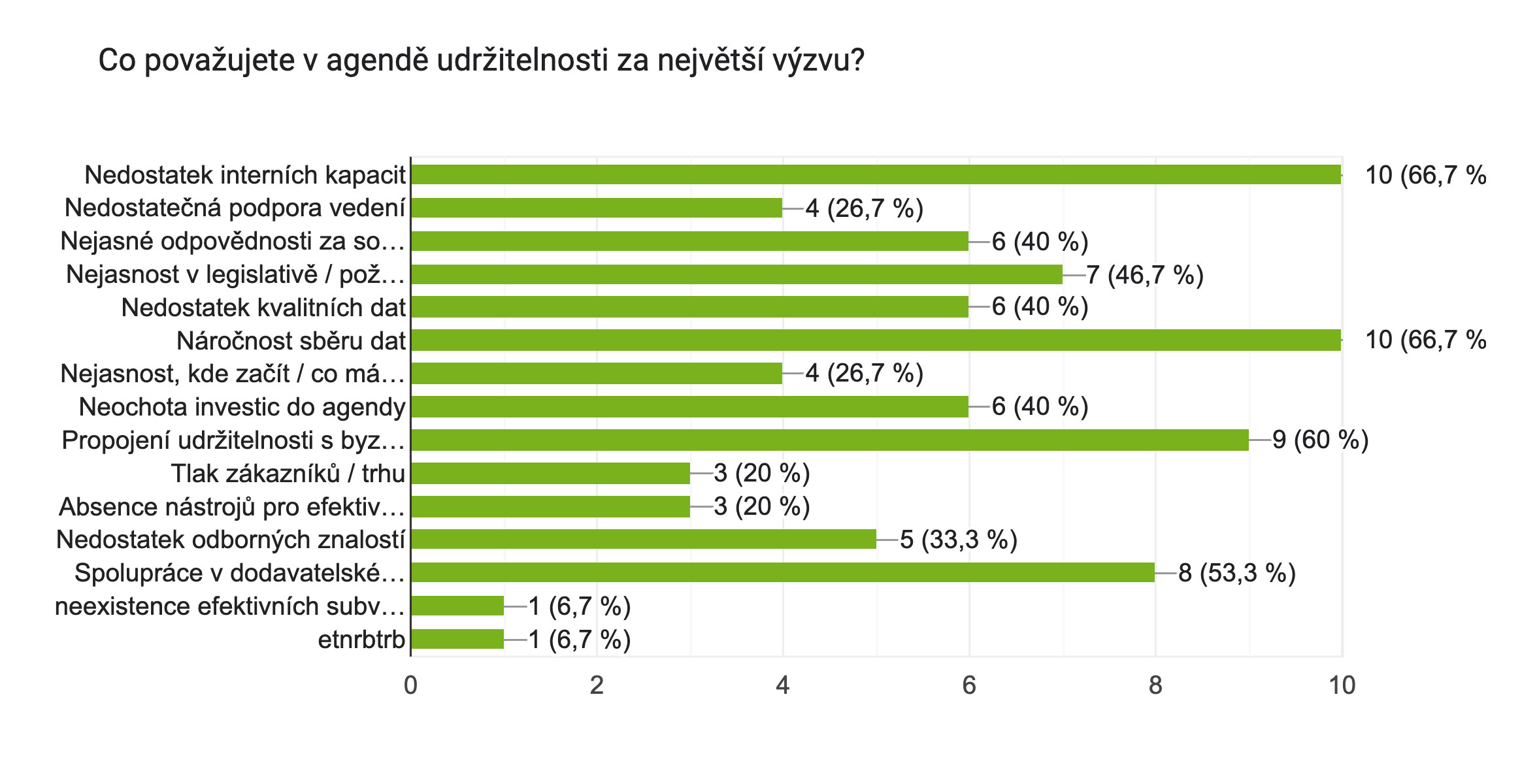
The results make it clear that successful sustainability management is not just a question of strategy, but above all of available data, people and efficient processes.
Companies plan to invest in energy savings and decarbonisation
The projects most frequently planned for the next two years include:
- expanding photovoltaic (PV) installations,
- fleet electrification,
- introducing energy management,
- decarbonisation plans,
- energy consumption monitoring systems,
- ESG reporting,
- obtaining and improving EcoVadis ratings,
- building insulation and lighting upgrades.
Alongside cutting emissions, there is a clear drive to manage energy costs better and improve operational efficiency.
Expert consultations and analyses are most in demand
When it comes to external support, companies most often look for:
- ongoing topic-specific consultations (60%),
- calculations and analyses, for example of the carbon footprint or energy data (53.3%),
- staff training and education (46.7%),
- setting up an ESG strategy (40%),
The results confirm that organisations are above all looking for partners who can help them turn ESG requirements into concrete steps, measurable results and processes that work in the long term.
Summary
The survey shows that companies are already actively working on sustainability, energy efficiency and emissions reduction. They pay most attention to ESG strategy, the carbon footprint and energy savings, but at the same time they struggle with limited capacity, the complexity of working with data and growing regulatory requirements. In the coming years, further investment can be expected in decarbonisation, energy management and the digitalisation of ESG processes, which will play an increasingly important role in how companies are run and in their competitiveness.