
Practical information
EUDR: the EU Deforestation Regulation – company obligations and due diligence
What is the EUDR and who does it apply to? We help companies with due diligence, commodity traceability and compliance with the EU Deforestation Regulation.
Go to contentEU Regulation on deforestation and forest degradation
02We help you meet the new obligations and protect your business from risk.
We help you meet your obligations under the EU Deforestation Regulation (EUDR) and protect your business from the risks of non-compliance. The EUDR brings fundamental changes for companies that trade in certain commodities and products derived from them, such as wood, coffee, cocoa, soya, natural rubber and palm oil.
The regulation will affect every company that imports, exports, sells or processes wood, coffee, cocoa, soya, natural rubber, cattle or palm oil. It is not just about buying or selling raw materials: the EUDR also covers processing them into other relevant products listed in Annex I to the regulation.
Be confident that your company meets all EUDR requirements and can prove the origin of commodities across the entire supply chain.
03Key points of the EUDR
EU Deforestation Regulation
The regulation was adopted in 2023 and sets strict conditions for placing certain commodities and products on the EU market. Some implementing rules are still being finalised – the list of high-risk countries and the technical standards are being refined on an ongoing basis. We will keep you regularly updated on developments on our website and LinkedIn profile.
The aim of the EUDR is to ensure that products available on the EU market do not contribute to deforestation and forest degradation anywhere in the world – not even indirectly through global supply chains.
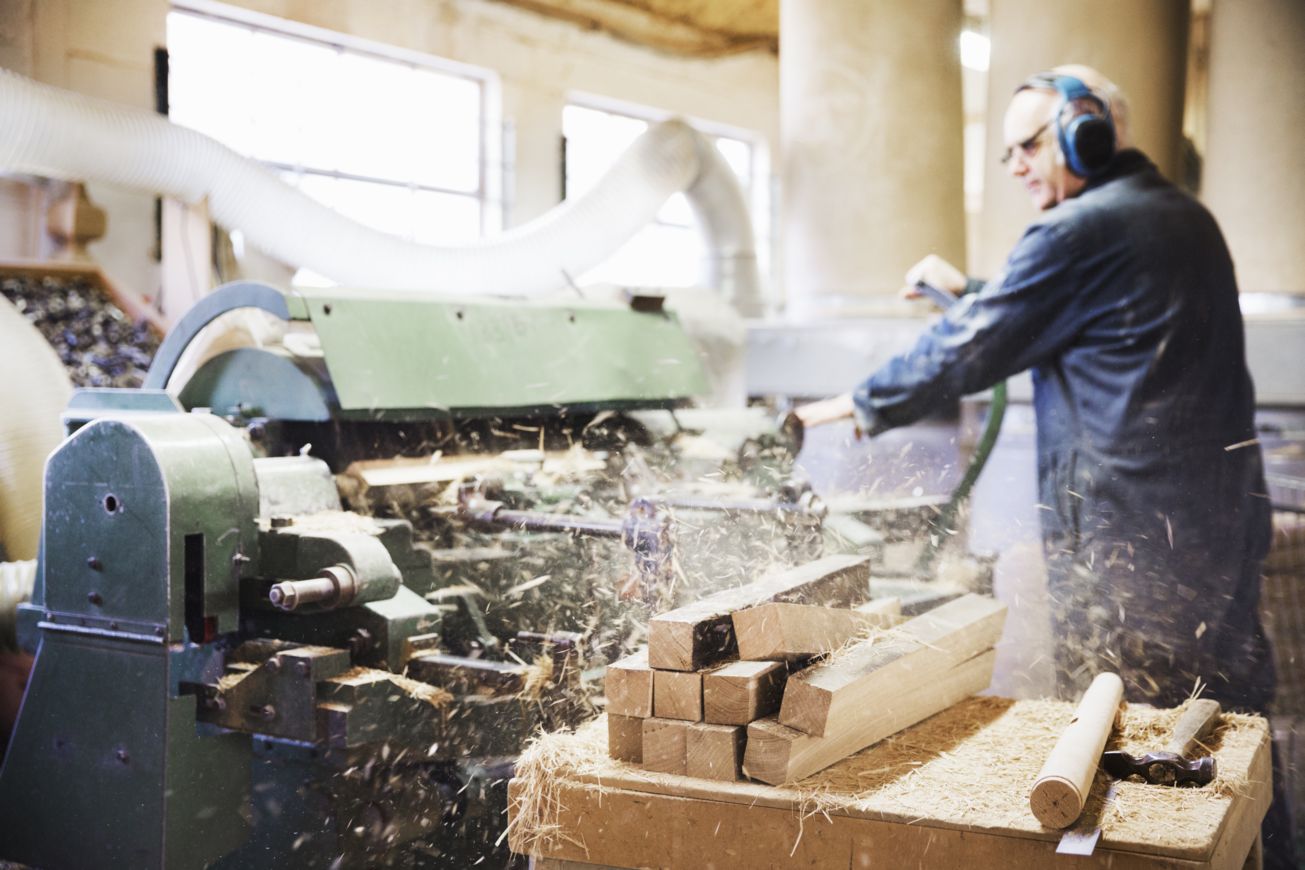
It applies to companies that import or trade in the following commodities, or make other products from them:
- Wood – posts, raw timber, OSB boards, crates, boxes, mouldings, tableware, decorative items, paper, furniture, prefabricated buildings…
- Cocoa – beans, paste, butter, powder, food products containing cocoa, chocolate
- Coffee – including decaffeinated coffee
- Oil palm – palm oil, oilcake, glycerol, stearic acid…
- Cattle – meat products and hides
- Soya – flour, beans, oil…
- Natural rubber – thread, sheets, fasteners, tyres…
The scope of your obligations depends on your role in the supply chain. Different obligations apply to a direct importer, a processor and a distributor. The regulation explicitly recognises that one company may hold several roles at the same time.
The EUDR is not only about monitoring the potential risk of deforestation in a given area. It is equally important to understand the legislation of the countries of origin and the role of each party in the supply chain, and to be able to judge where one party’s responsibility ends and another’s begins. The overall goal for everyone involved is to ensure traceability and carry out a thorough analysis of the supply chain.
04Company obligations
- Demonstrate that products do not come from land deforested after 31 December 2020.
- Demonstrate that products were produced legally under the laws of the country of origin.
It applies to the entire supply chain – not only direct importers but also distributors and processors.
It introduces a due diligence obligation:
- Identifying suppliers
- Collecting geographical data on origin (including GPS coordinates)
- Assessing and mitigating deforestation risks
Consequences of non-compliance:
- Goods detained at customs
- Fines of up to 4% of the company’s annual turnover
- Ban on selling on the EU market
Countries with a higher risk of deforestation will be monitored more closely (the EU will draw up lists by risk level).
05How we help you with the EUDR

Working with us means:
- Precise identification of your EUDR obligations based on your company’s role and the specific product.
- Ensuring legal compliance – we assess the legislation in the commodity’s country of origin and flag risks.
- Setting up a due diligence system that enables you to obtain the necessary data from your suppliers.
- Connection to the TRACES system and customs processes – we explain how the individual steps link together and help you find your way around the system used to submit statements electronically.
- Developing internal procedures, including checklists, template questionnaires and overviews that simplify data collection and communication with suppliers.
- The option to combine this with other areas, such as carbon footprint, risk assessment, certification or internal control systems.
06Who does the EUDR apply to?
The regulation does not apply only to direct importers of raw materials. The EUDR covers the entire chain, from harvesting to the final product on the shelf. The key point is that obligations arise when you place a relevant product on the EU market, regardless of whether you imported the raw material yourself or obtained it from a domestic supplier.
Importers and exporters
Companies that place commodities or derived products on the EU market or export them from the EU. Importers are subject to the strictest obligations: they must carry out full due diligence before placing goods on the market.
Processors
Companies that process raw materials into other products listed in Annex I to the EUDR. Processors must ensure the traceability of input materials and keep the relevant documentation for at least five years.
Distributors and traders
Companies that trade in these products on the EU internal market, even without importing them directly. Distributors must also be able to provide the reference number of the due diligence statement or, under certain conditions, issue one themselves.
077 commodities covered by the EUDR
The regulation covers these commodities and all products derived from them as listed in Annex I. If your product contains even one of these raw materials as an input, EUDR obligations probably apply to you.
Wood
Posts, raw timber, OSB boards, crates, mouldings, furniture, paper, prefabricated buildings
Cocoa
Beans, paste, butter, powder, food products containing cocoa, chocolate
Coffee
Including decaffeinated coffee and all coffee products
Oil palm
Palm oil, oilcake, glycerol, stearic acid
Cattle
Meat products, hides and leather goods
Soya
Flour, beans, oil and soya derivatives
Natural rubber
Thread, sheets, fasteners, tyres
08How we work with you
Every case is different – it depends on which commodities you use, where they come from and your position in the supply chain. That is why we always start by analysing your specific situation.
1. Free consultation
We discuss which products and commodities concern you, your role in the chain and what you need from us. Based on this, we prepare a precise proposal for the scope of our work.
2. Analysis and due diligence
We map your supply chain, assess the risks and prepare a data collection system. We help you set up internal processes and communication with suppliers so that they meet the requirements of the regulation.
3. Implementation and support
We guide you through the whole process of submitting statements via the TRACES system and remain available for ongoing support. We monitor legislative developments and let you know about changes that may affect your company.
You don’t have to deal with the EUDR alone. Our team of specialists has experience from dozens of supply chain audits and with the legislation of countries of origin across several continents. We save you time and worry, so you can focus on your business.
Contact
Contact us for a no-obligation quote and find out how we can help you. Our specialist will get back to you within 24 hours, and together we will find the most efficient route to EUDR compliance.
Preparing for the EUDR takes time – the sooner you start, the less stress and cost. We will be glad to help you take the first step.
Get in touch
An EUDR specialist will get back to you within 24 hours.
No-obligation consultation
Let’s discuss your requirements in detail
Tell us what you need to find out, what data you have and any deadline.