
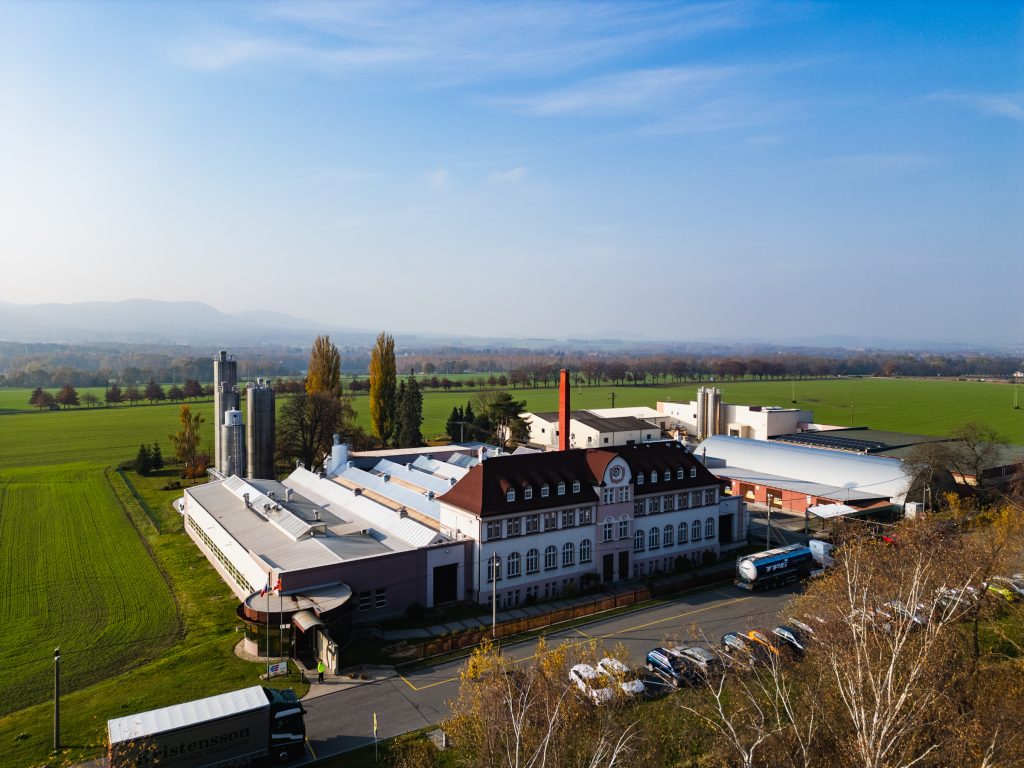
What motivated EFTEC to calculate its corporate carbon footprint?
The company has long been committed to environmental protection and good relations with its surroundings. Recently, however, we have seen sharply increasing pressure from our customers to share specific carbon footprint data. It was clear to us that building the necessary expertise ourselves would take too long at the start, so we set out to find an experienced external partner.
How demanding was the data collection? What role did EnviTrail’s consultants play in it, and how did you actually choose your partner for the calculation?
At first we could only guess how demanding data collection might be. In the end, it turned out that we already had most of the data we needed – it was just a matter of structuring it correctly. EnviTrail’s consultants helped us a great deal with organising and interpreting the data, which made the whole process much simpler than we had originally expected.
What will you use the output for, and what further steps is EFTEC planning in sustainability and non-financial reporting?
For us, the calculation results are the baseline for developing a decarbonisation strategy. They also show our customers that we are actively working on the topic, which we see as a significant competitive advantage. The next steps include calculating product carbon footprints (CFP) and embedding the decarbonisation strategy in our overall corporate sustainability strategy.
How would you assess the cost of working with a consultancy on the calculation?
The price of the service did not surprise us. We ran a careful tender before making our choice, and we can say that EnviTrail offers a very good balance of price and value.
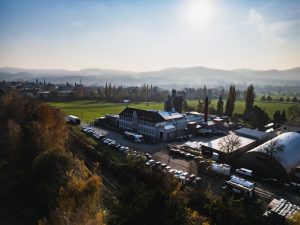
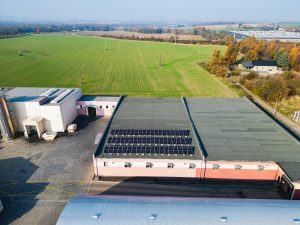
Our collaboration also included developing a decarbonisation strategy. We have already taken concrete steps in this area – in 2024 we commissioned our own photovoltaic plant with an output of 100 MWh.
Do you plan to put any of the recommendations into practice, and would you like to share what was recommended to you as a manufacturer?
There were many recommendations; I will mention just a few. The key thing was to agree the brief precisely with EnviTrail from the start – we did that and left the rest to their expertise, which proved to be a good decision. As for the decarbonisation proposals themselves, every company is different and there is no one-size-fits-all solution. In our case, it makes sense, for example, to expand the solar plant or use heat recovery. On the other hand, technologies such as heat pumps or full electrification of our forklift trucks are not yet efficient for us.
Has the project changed your view of operations and production processes from the perspective of a quality and sustainability manager?
Essentially, the project has not changed our view. We have long been used to working with data thanks to certifications such as ISO 9001 and ISO 14001. We already looked at how the company works in terms of processes and systems, and this project followed on from that naturally. Certifications help a lot in this respect.
To what extent is decarbonisation about doing good and meeting legal requirements, and to what extent is it an economic decision?
Above all, I see these activities as meaningful, and in my view that is the most important thing – they have to make clear sense to us. Of course, we have to meet legal requirements; we are a responsible company and we want to be indispensable partners for our customers.
Which decarbonisation measures would you say are the hardest to implement in your sector?
We are a chemical manufacturer working with a wide range of raw materials from which our compounds are made. The input materials themselves often have a high carbon footprint, so we see the greatest potential for improvement with our suppliers – it depends on how they reduce the carbon intensity of the products we then use in production.
What surprised you about the project, positively or negatively?
We were pleasantly surprised that EnviTrail ran the whole project very efficiently, yet without being pushy. For each step, we received detailed comments and explanations of why the procedure mattered and what purpose it served, including the conclusions of the calculation. So far we rate the collaboration positively and are keeping our options open for the future.
What support would you welcome for sustainability or industrial decarbonisation, for example from the state or other institutions?
I can’t give a precise answer at the moment, but I will probably know in a year’s time. For us as a private-sector company, the debate about whether activities such as decarbonisation and sustainability are a competitive advantage is not relevant at all – the answer is a clear yes. For our customers, who are the largest manufacturers of cars and trucks, these factors are a key criterion when selecting suppliers. If we want to succeed and stay competitive, we have no other option. Still, I have to take a step back: as I said, these activities must also make sense to us.
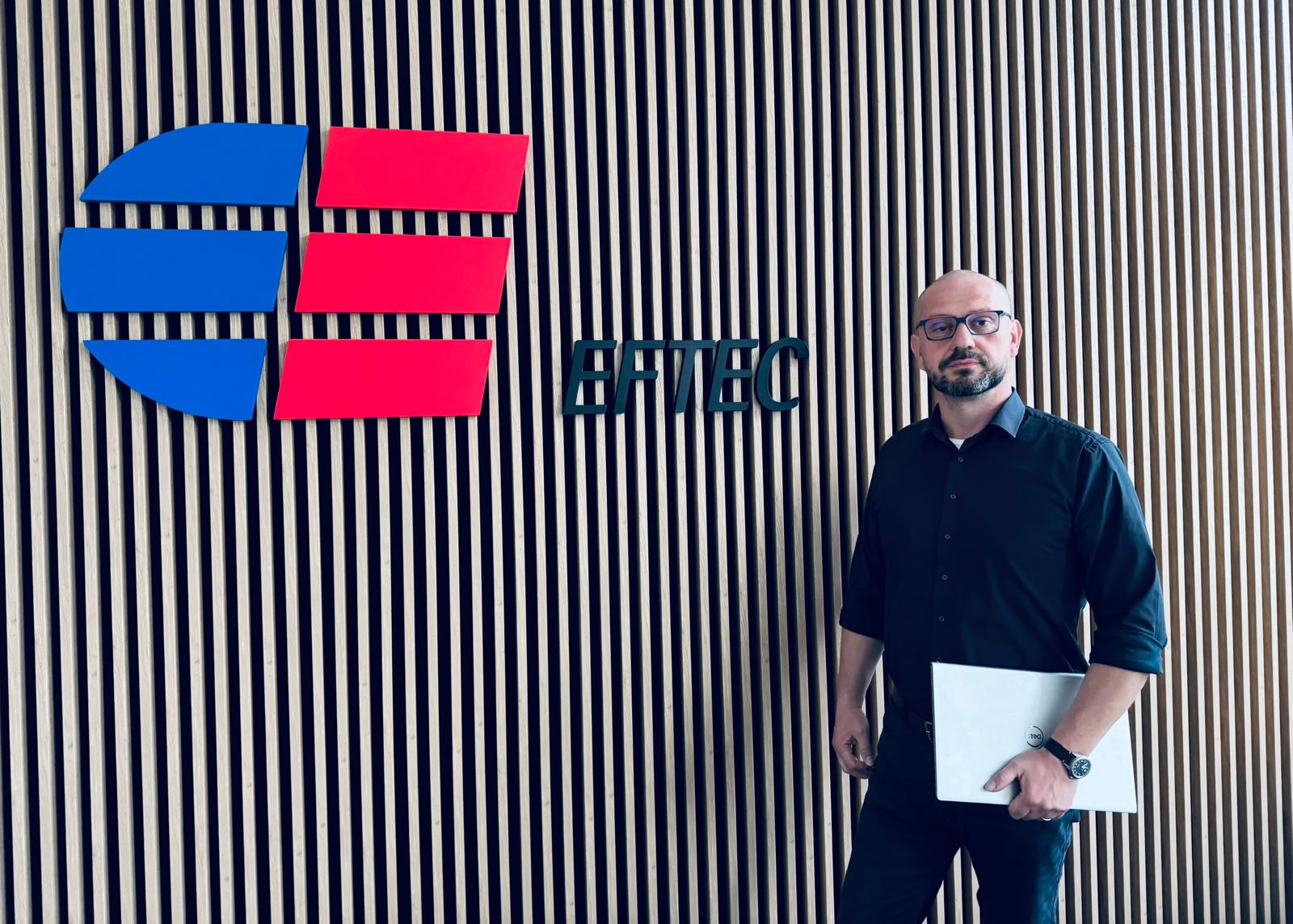
Radomír Klement
Quality and Sustainability Manager, EFTEC